

Visiting Mt. Fuji from Tokyo is one of those must-do trips. Whether you want the thrill of winding mountain roads or the convenience of a smooth train ride, there are two main ways to get there: by car or by train. I’ve done both, one as a full-day road trip from Tokyo and another by train with an overnight stay in Fujikawaguchiko, so here’s my breakdown of what each experience is like, costs, pros and cons, and sample itineraries.
🚗 Option 1: Driving to Mt. Fuji (Day Trip)

We made this a full day trip by car from Tokyo, leaving early in the morning and returning that evening. The drive itself was an adventure, passing through toll roads, touge passes, and finally winding up the Fuji Subaru Line toward the 5th Station.
If you’re into cars, there are specialty shops where you can rent JDM models for the experience. For our trip, we rented from Omoshiro Rent-a-Car (Noda Head Office) and drove an R35 GTR. If that’s not your style, don’t worry—there are plenty of rental options in Tokyo ranging from budget compacts to luxury imports.
What You’ll Need
- International Driving Permit (IDP)
- Driver’s license from your home country
- Passport
- Small cash for tolls, parking, and snacks
- ETC card (ask your rental agency; it makes tolls easier and often cheaper)
- Navigation: GPS or offline Google Maps
Driving Stops Along the Way
- Hakone Turnpike & Mt. Taikan Observation Deck
- Mishima Sky Walk
- Hakone Shrine
- Fuji Speedway
- Fuji Subaru Line up to the 5th Station (observation deck & lounge)
- Arakura Fuji Sengen Shrine (free but limited parking)
Estimated Costs (2025)
Rental costs vary widely, so here’s a range depending on what you choose:
| Item | Estimated Range |
|---|---|
| Car Rental (per day) | ¥10,000–¥40,000+ |
| Tolls (round trip) | ¥5,000–¥8,000 |
| Fuel | ¥3,000–¥8,000 |
| Parking | ¥500–¥2,000 |
| Food & Extras | ¥2,000–¥5,000 |
Total Estimate: anywhere from ¥20,000+ depending on your budget.
Pros & Cons of Driving
Pros
- Full control over your schedule and route
- Access to scenic back roads and touge passes
- Perfect for those who want the “driving experience”
Cons
- Tolls and fuel add up quickly
- Navigation can be tricky without prep
- Weather and road closures can change plans
👉 Tip: If you’re preparing for a car day trip, set up your routes beforehand and double-check for closures or restrictions. Being well-prepared makes the experience much smoother.
🚆 Option 2: Train to Mt. Fuji
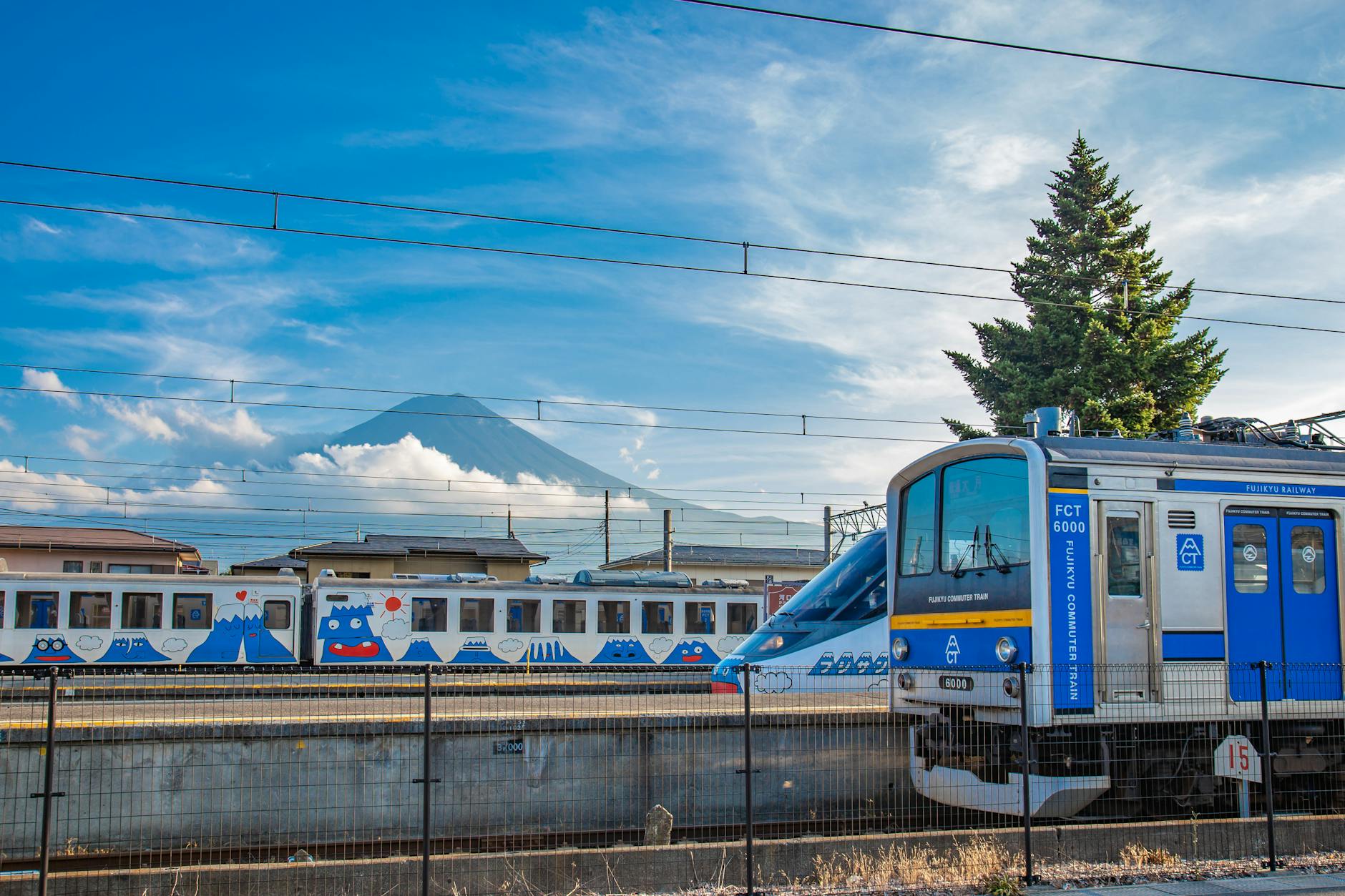
For the train option, I stayed overnight in Kawaguchiko. The train ride itself was simple and relaxing, and it gave me more time to explore around Mt. Fuji without worrying about driving back to Tokyo in the same day.
If you only want to do a day trip, the train still works, but it’s a much longer day since you’re limited to train and bus schedules.
🚉 How to Board the Fuji Excursion Limited Express
- Get to Shinjuku Station
- If you’re elsewhere in Tokyo, use the Yamanote Line (green loop line) or another JR/metro line to arrive at Shinjuku Station.
- Allow at least 20–30 minutes extra time if you’re new to navigating Tokyo’s stations—they’re big and can be confusing.
- Buy Your Ticket
- You need both a base fare ticket (regular train fare) and a Limited Express reserved seat ticket.
- Options to buy:
- JR Ticket Office (Midori no Madoguchi): At Shinjuku Station.
- Ticket machines: Multilingual and fairly straightforward.
- Online in advance: Via JR East or third-party platforms.
- Expect around ¥4,000–¥4,200 one way.
- Find the Right Platform
- The Fuji Excursion departs from the JR Chūō Line platforms at Shinjuku (usually Tracks 9 or 10, but always confirm on the departure board).
- Look for signs marked 中央線 Chūō Line.
- Board the Train
- Your seat number and car number will be printed on your ticket.
- All seats are reserved—no unassigned seating.
- The train is clearly marked as the Fuji Excursion (フジエクスプレス).
- Enjoy the Ride
- The train runs about 2 hours direct to Kawaguchiko Station.
- Large windows give great views, and there’s space for luggage.
- Sit on the left side when leaving Tokyo for the best chance at Mt. Fuji views (if it’s clear).
- Arrive at Kawaguchiko Station
- From here, you can catch local buses, walk to Lake Kawaguchi, or grab a taxi to nearby attractions.
👉 Tip: The Fuji Excursion only runs a few times per day. If it’s sold out or doesn’t fit your schedule, you can take the JR Chūō Line Limited Express to Otsuki, then transfer to the Fujikyu Railway for the final stretch to Kawaguchiko.
Which Should You Choose?
Here’s how to decide:
- Want adventure, driving, freedom? Go by car. But be ready for costs, tolls, and long driving time.
- Prefer comfort, ease, fewer logistics? Go by train (and stay overnight).
- Only have one day and want to minimize stress? A well-timed train + bus combo may win out.
- If weather or mountain access is uncertain, use the train option as backup — less time lost.
🗓️ Sample Itinerary Comparison
By Car (Day Trip)
- 8:30 AM – Pick up rental car in Tokyo (arrive early for paperwork)
- 10:30 AM – Drive through Hakone Turnpike & scenic stops
- 12:30 PM – Lunch near Hakone or on the way to Fuji
- 2:00 PM – Fuji Subaru Line to 5th Station (explore the area)
- 4:00 PM – Stop at Arakura Sengen Shrine for Fuji views
- 5:00 PM–7:00 PM – Drive back to Tokyo, return car
By Train (Day Trip)
- 7:30 AM – Depart Shinjuku Station on Fuji Excursion
- 9:30 AM – Arrive Kawaguchiko Station
- 10:00 AM–3:00 PM – Explore Lake Kawaguchi, ropeway, local hikes, shrines
- 4:00 PM – Depart Kawaguchiko back to Tokyo
- 6:00 PM – Arrive Shinjuku
By Train (Overnight Option)
Day 1
- Morning: Depart Tokyo for Kawaguchiko
- Midday: Explore Lake Kawaguchi, boat rides, or cable car
- Afternoon: Visit Oishi Park or Chureito Pagoda for Fuji views
- Evening: Stay overnight at a ryokan or guesthouse, enjoy onsen
Day 2
- Morning: Sunrise views of Fuji from Kawaguchiko
- Late Morning: Take a short local hike or visit Saiko Iyashi-no-Sato village
- Afternoon: Return train to Tokyo
🌤️ Best Times to View Mt. Fuji
One of the most important things to know before planning your trip is that Mt. Fuji doesn’t always show itself. The mountain is famous for hiding behind thick clouds, and even on a clear day in Tokyo, you might find Fuji completely covered once you arrive. The weather is unpredictable, and patience (plus a little luck) goes a long way.
That said, there are certain times when your chances are better:
- Early Morning (before 9 AM): Clear skies are most common right after sunrise, before clouds start building throughout the day.
- Late Afternoon (around sunset): On some days, the mountain reappears as clouds thin out toward evening.
- Winter (December–February): Cold, dry air makes for the clearest views. Fuji is often snowcapped and striking against crisp blue skies.
- Autumn (October–November): Cooler, drier weather brings good visibility, plus you’ll get fall foliage around the Fuji Five Lakes region.
Seasons at a Glance
- Spring (March–May): Can be hazy, but cherry blossoms with Fuji in the background make for iconic photos if you catch a clear day.
- Summer (June–August): Warm and green, but cloud cover is heavy and views are less reliable. This is climbing season, though, if you want to hike.
- Autumn (September–November): Cooler temps and less humidity improve visibility. The fall colors around Kawaguchiko are stunning.
- Winter (December–February): The clearest skies of the year, with Fuji looking its most dramatic, snowcapped and framed by dry winter air.
👉 Tip: Always check the live Mt. Fuji webcams before you head out. They’ll give you real-time visibility so you don’t waste a trip if the mountain is completely hidden.
✨ Final Thoughts
Both car and train offer amazing ways to experience Mt. Fuji from Tokyo.
- If you want freedom, flexibility, and adventure, the car is unbeatable—especially if you’re excited about driving in Japan.
- If you want a stress-free journey where you can relax and soak in the views, the train + overnight option is a fantastic choice.
Either way, Mt. Fuji is one of those places that’s just as magical as you imagine. Plan ahead, keep an eye on the weather, and you’ll have an unforgettable trip.

 Travel Raven