
This is just how I like to plan my trips, and I can’t recommend it enough. Over the years, I’ve come to cherish each adventure so much more by preparing in advance. It’s allowed me to preserve so many special memories, enjoy the experience without a hitch, and feel fully present in every moment. With a plan in place, you’ll never have to worry about what to do next—you can simply savor the journey.
Below is a timeline of when I like to tackle each step, starting about a year in advance so I can take my time with every detail. I will be including some downloadable templates for your personal use at the end.
1 Year Before
1. Decide on the Main Destination and Best Time to Go
This first step is all about defining where you want to go and researching the best time to visit, considering factors like weather, special events, and crowds. Whether it’s cherry blossom season in Japan or winter for skiing in the Alps, timing plays a huge role in maximizing your experience.
- How to Decide:
Start by creating a list of destinations you’re interested in, then research the top travel seasons for each. Look into climate patterns, national holidays, and any big events or festivals. Prioritize your destination by what you’d like to experience, keeping the season and weather in mind. - Recommended Resources:
- Google Destination Insights: This tool offers travel trends and can be helpful to understand popular times for specific destinations.
- Travel Blogs and Forums: Reading personal accounts like here, Reddit or TripAdvisor forums can give you a feel for when to go based on real experiences.
2. Start Budgeting Early
Once you know your destination, set up a budget. Getting a rough estimate of flight, accommodation, dining, activity, and transport costs allows you to create a savings plan and prioritize certain expenses over others.
- How to Budget:
Start by researching average prices for the major categories: flights, hotels, daily meals, activities, and local transportation. Break down each category by estimated cost and timeline. For example, flights may be an up-front cost, while food and activities fall under daily spending. - Recommended Resources:
- Google Sheets or Excel: These are ideal for making and tracking a travel budget.
- Travel Budget Calculators: NerdWallet and Budget Your Trip provide budget ranges for different types of destinations, which can give you a good starting point.
9–10 Months Before
3. Narrow Down the Must-Sees
This is when you start building your “must-do” list. Identify the main attractions, landmarks, and cities you want to visit, as well as any unique experiences that define the destination, like hikes, museums, or festivals.
- How to Research:
Create a list of possible activities or sights, then prioritize based on your interests and time limits. Think about any nearby places or even neighboring countries if you want to make the most of your location. After narrowing it down, organize your picks by priority so that must-sees are front and center. - Recommended Resources:
- Pinterest and Instagram: Great for discovering hidden gems and specific attractions.
- AllTrails: Essential for finding hikes and nature activities.
- TripAdvisor: Useful for popular landmarks, reviews, and ratings.
6–9 Months Before

4. Look into Flights
Flights can make up a big portion of the budget, so setting alerts early on is essential to find the best deals. I like to give myself several months to track prices before committing to a ticket.
- How to Track Flights:
Use fare-tracking tools like Google Flights to monitor prices and get alerts when deals arise. Be flexible with dates if possible, as flights are often cheaper on weekdays. Once you find a good rate, compare it across different booking sites and book when you’re confident. - Recommended Resources:
- Google Flights: For tracking fare changes and finding the cheapest travel dates.
- Expedia.com: For a range of flights and accommodation packages.
- Hopper or Skyscanner: These apps provide insights on fare trends, helping you decide when to book.
- Credit Card Rewards: Don’t forget to check your travel credit card rewards for flight redemption options. Programs like Chase Ultimate Rewards, American Express Membership Rewards, and Capital One Travel can help you save money by redeeming points for flights. I’ll dive deeper into homy mistake lets just rew to make the most of credit card points and rewards in a future post!Scott’s Cheap Flights: Sign up for email alerts to catch discounted rates.
5. Secure Accommodations
Booking your accommodations a few months out gives you a better selection, especially during peak seasons. Start with where you’ll be staying at your main destinations, and decide if you want hotels, Airbnb, or more unique lodging options.
- How to Find the Right Place:
Research accommodations based on your budget, proximity to attractions, and comfort level. Think about what kind of experience you want, do you want something central, cozy, or more secluded? It’s helpful to check cancellation policies just in case. - Recommended Resources:
- Expedia.com: For a range of hotel and accommodation packages.
- Booking.com or Airbnb: For a range of accommodations, often with guest reviews.
- Hotels.com: Great for booking and loyalty rewards, especially for chain hotels.
3–6 Months Before

6. Plan Local Transportation
Once your destinations and main sights are set, look into how you’ll get around. Whether it’s trains, rental cars, or public transport, having an idea of local transit options makes everything smoother.
- How to Prepare:
Research your options based on each destination. For instance, if one city is walkable but another requires a car, you can adjust plans accordingly. This is also a good time to book any transit passes or tickets if necessary. - Recommended Resources:
- Rome2Rio or Trainline: For finding travel options between cities.
- Expedia.com: For a range of rentals and accommodation packages.
- Rentalcars.com: A reliable site for comparing rental car rates.
- Citymapper or Moovit: These apps cover public transportation routes in many cities.
7. Make Restaurant and Activity Reservations
If you’re dreaming of specific dining experiences or popular tours, book early. Some spots book out months in advance, especially for seasonal activities or Michelin-star restaurants.
- How to Reserve:
Check if your desired places accept reservations and book as soon as possible. If the activity or restaurant has limited slots, booking early secures your spot without having to stress about last-minute availability. - Recommended Resources:
- OpenTable or Resy: For booking restaurant reservations in major cities.
- Viator and GetYourGuide: Great for booking tours and activities.
- Local Tour Providers: Some experiences are only available through local companies, so keep an eye out for them on travel forums.
2–3 Months Before
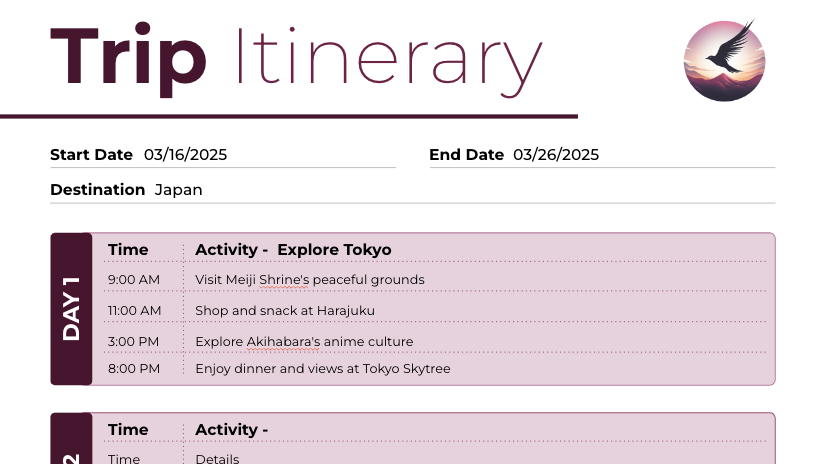
8. Finalize the Itinerary
This is the time to put your itinerary together, outlining each day’s activities, meals, and free time. Having a detailed outline helps balance relaxation with sightseeing.
- How to Structure It:
Group activities by location and day to minimize travel time. Factor in breaks and any buffer days for rest or spontaneous exploring. If you’re going to a busy area, consider visiting top sights early in the day to avoid crowds. - Recommended Resources:
- Google Maps: Mark key spots and create custom maps.
- Wanderlog: Perfect for creating and visualizing travel itineraries.
- TripIt: Stores all your reservations and plans in one place for easy access.
9. Prepare Important Documents and Travel Insurance
Confirm that you have necessary travel documents and consider travel insurance to cover unexpected delays, cancellations, or emergencies. Making copies of important documents is wise, just in case.
- How to Prepare:
Ensure your passport is valid and visas are in place if needed. Organize digital and physical copies of tickets, confirmations, and IDs. Choose a reputable travel insurance provider with comprehensive coverage. - Recommended Resources:
- World Nomads or Allianz Travel Insurance: Reliable for comprehensive travel insurance.
- Google Drive or Dropbox: Store digital copies of essential documents.
- Mobile Passport: Speeds up U.S. customs processing on return trips.
1–2 Weeks Before

10. Pack for the Climate
The final step is to pack for the weather and activities planned. Check the forecast to avoid overpacking or forgetting essentials. For instance, if it’s a beach destination, don’t forget sunscreen, but if it’s winter, bring layers.
- How to Prepare:
Create a packing list based on the climate, specific gear, and any specialty items. Make sure you have the right footwear and gear for activities like hiking or beach lounging. - Recommended Resources:
- Weather.com or a weather app: Stay updated on the forecast.
- PackPoint: Generates a packing list based on your destination, weather, and planned activities.
- Prepare Your Home and Pet Care
As your trip nears, it’s time to take care of everything at home so you can leave stress-free. This includes holding your mail, preparing your pets, and ensuring your plants are looked after.
How to Prepare:
- Hold mail: Contact the post office to stop your mail delivery or set up mail forwarding. This keeps your mailbox from piling up and helps you avoid missed deliveries.
- Prepare your home: Empty trash cans, clean your home, and take care of any last-minute chores. Coming home to a tidy space makes your return more enjoyable.
- Arrange pet care: If you have pets, confirm arrangements with your sitter or boarding service. I personally have my dogs stay with Grandma, so I make sure she has everything she needs to care for them while I’m away.
- Care for your plants: Set up someone to water your plants or use a self-watering system. This ensures they stay healthy while you’re gone.
A Few Days Before Departure

12. Leave Room for Relaxation
Take these final days to rest, review your itinerary, and let yourself get excited! Having some downtime within your trip allows for flexibility, spontaneous exploration, or just some extra relaxation.
My Upcoming Trip to Japan
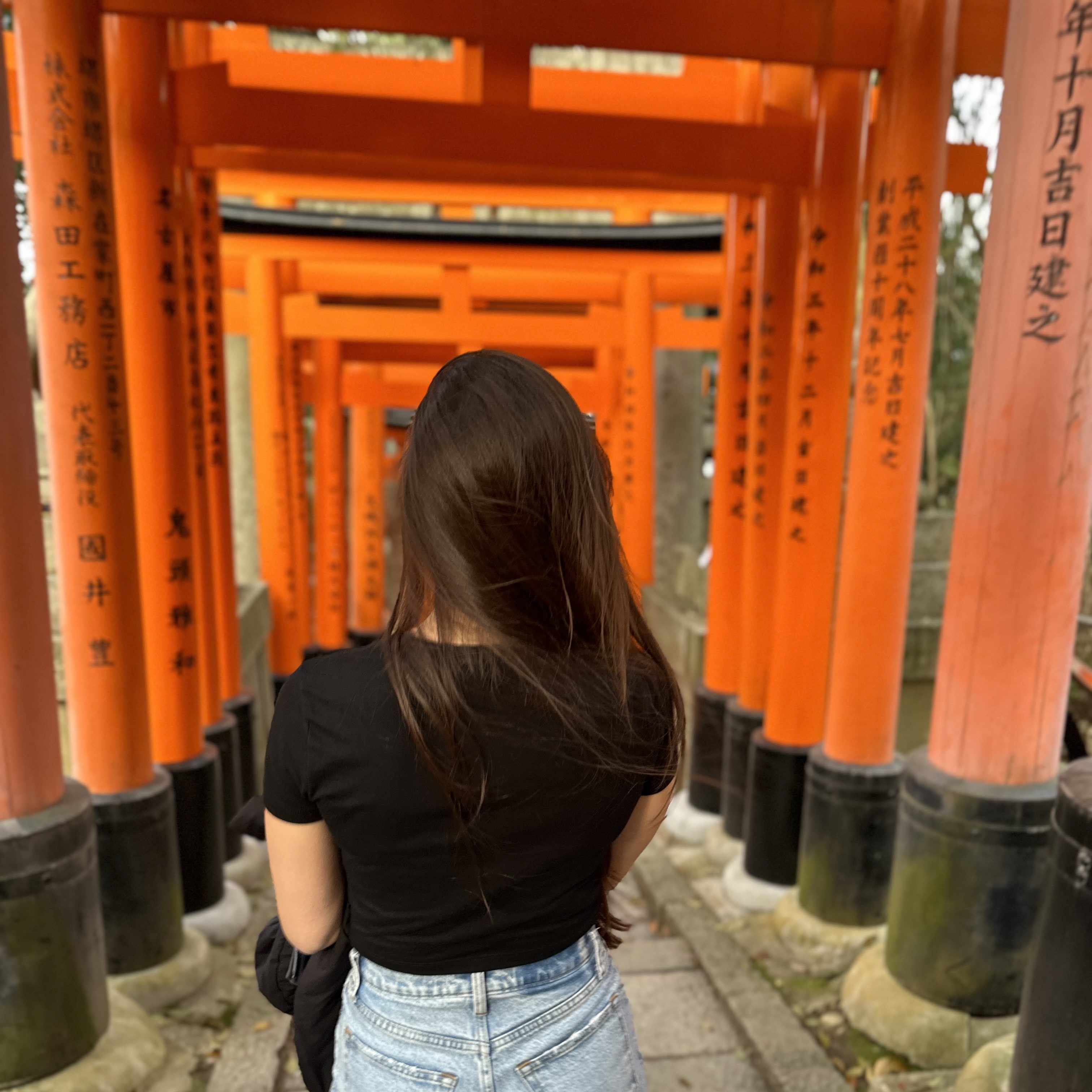
I’ll be running through this planning process right alongside you! For the past year, I’ve been preparing for a return trip to Japan, working on budgeting and researching things to do and see. Since I’ve been to Japan before, I have a leg up on planning, but there are still plenty of new places I’m excited to explore. Our flights are booked for March 2025, and our main hubs will be Tokyo, Fujikawaguchiko, and Osaka. Right now, I’m securing accommodations, refining the itinerary, and sorting out local transport. I’ll keep you updated as I move through each step, let’s make this adventure special together!
Free Travel Templates: Budgeting & Itinerary Planning
Planning your trip just got easier! Subscribe by filling out form below to access two free customizable templates, a budgeting tool and a day-by-day itinerary planner.


 Travel Raven