
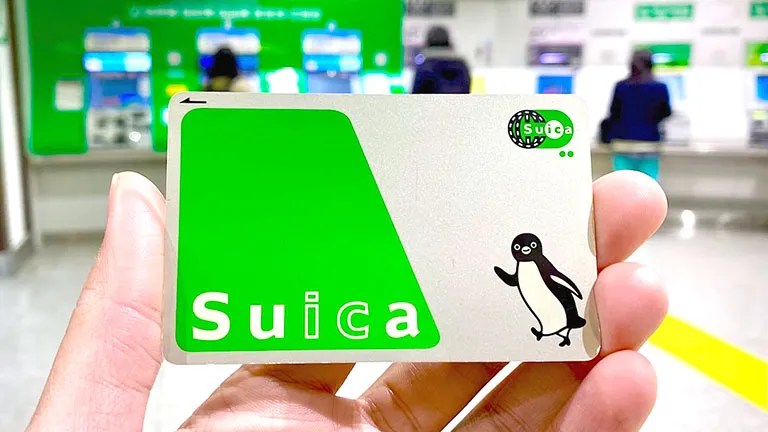
Are you planning a trip to Japan and seeking the ultimate convenience in transportation? Look no further than the Suica card! This nifty little card offers a plethora of benefits, savings, and perks that make navigating Japan’s extensive transit system a breeze. In this guide, we’ll explore everything you need to know about the Suica card, from its practical uses to its numerous advantages.
What is Suica Card?

Suica, short for Super Urban Intelligent CArd, is a prepaid smart card that allows seamless travel on various modes of public transportation in Japan, including trains, buses, subways, and even some taxis. Developed by the East Japan Railway Company (JR East), Suica has become an indispensable tool for both locals and tourists alike.
Benefits of Suica Card:
- Convenience: With Suica, say goodbye to the hassle of purchasing individual tickets for each leg of your journey. Simply tap your card at the ticket gates when entering and exiting stations, and the fare is automatically deducted from your balance.
- Time-saving: No more waiting in long lines at ticket machines or counters. Suica enables quick and efficient entry, allowing you to spend more time exploring Japan’s attractions and less time worrying about logistics.
- Cost-effective: Suica offers discounted fares compared to purchasing paper tickets for each trip. Additionally, the card eliminates the need for purchasing single-use tickets, saving you money in the long run.
- Versatility: Besides transportation, Suica can be used for various other purposes, including making purchases at vending machines, convenience stores, and select retailers.
- Reloadable: Suica cards can be easily recharged at ticket machines, stations, and convenience stores, ensuring you never run out of funds during your travels.
- Lost card protection: If you lose your Suica card, you can have the remaining balance transferred to a new card for a small fee, providing peace of mind during your journey.
Where Can You Use Suica?
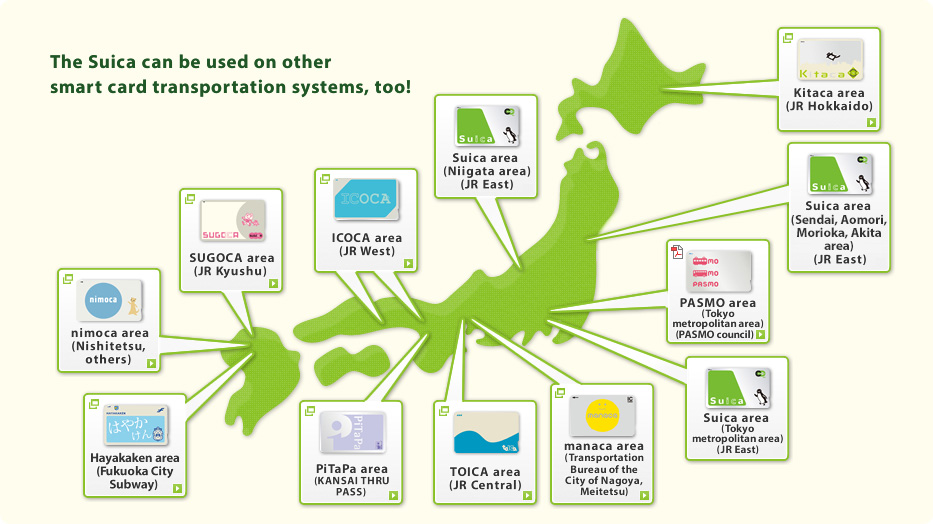
Suica cards can be used on virtually all forms of public transportation in Japan, including:
- Trains: JR East lines, Tokyo Metro, subways, and private railway companies.
- Buses: City buses, airport shuttles, and long-distance coaches.
- Ferries: Some ferry services accept Suica for payment.
- Taxis: Certain taxis equipped with Suica-compatible terminals.
How to Get Suica Card
- Locate a Suica Vending Machine: Look for a Suica vending machine at train stations, airports, or major transportation hubs. These machines are usually prominently displayed and easy to find.
- Select “New Suica Card”: On the vending machine screen, select the option for a “New Suica Card” or similar wording.
- Choose Your Card Type: You’ll typically have the option to choose between different types of Suica cards, such as regular Suica or special edition designs. Select the type of card you prefer.
- Add Initial Funds: Decide how much money you want to load onto your Suica card as initial funds. You can choose from various preset amounts or enter a custom value.
- Make Payment: Insert cash into the vending machine corresponding to the chosen initial funds amount. Some machines may also accept credit or debit cards for payment.
- Receive Your Suica Card: Once payment is processed, the vending machine will dispense your new Suica card. Be sure to keep it in a safe place, as it will be your ticket to convenient travel throughout Japan.
- Register Your Card (Optional): While not required, you have the option to register your Suica card online or at a JR ticket office. Registering your card provides added security in case it is lost or stolen, as well as the ability to manage your card balance online.
Conclusion:
The Suica card is an indispensable companion for travelers exploring Japan. Its convenience, cost-effectiveness, and versatility make it a must-have for navigating the country’s extensive transit network. Whether you’re zipping around Tokyo’s bustling streets or exploring the serene countryside, Suica ensures smooth and seamless travel every step of the way.
Plan you next trip to Japan!



 Travel Raven