
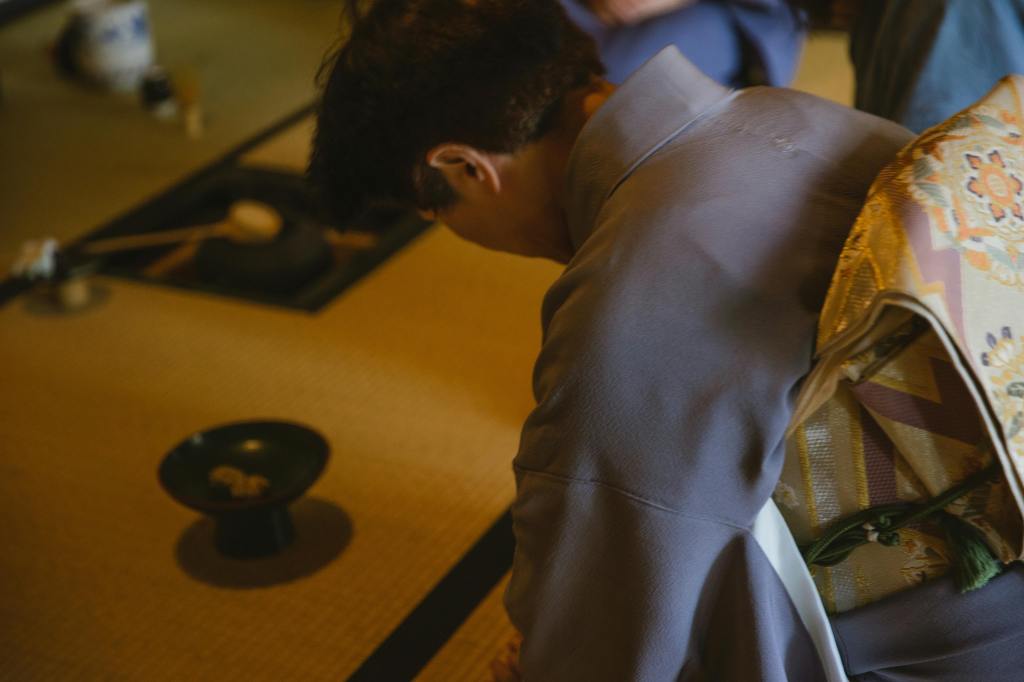
Bowing is a quintessential aspect of Japanese culture, deeply ingrained in tradition and history. This age-old practice serves as a symbol of respect, gratitude, and humility, reflecting the core values of Japanese society. Understanding and mastering Japanese bowing etiquette is not only a sign of cultural appreciation but also a crucial skill for navigating social interactions in Japan.
Etiquette of Bowing: Bowing, known as “ojigi” in Japanese, is a multifaceted practice with nuances that vary depending on the context and relationship between individuals. Here’s an overview of the etiquette surrounding bowing:
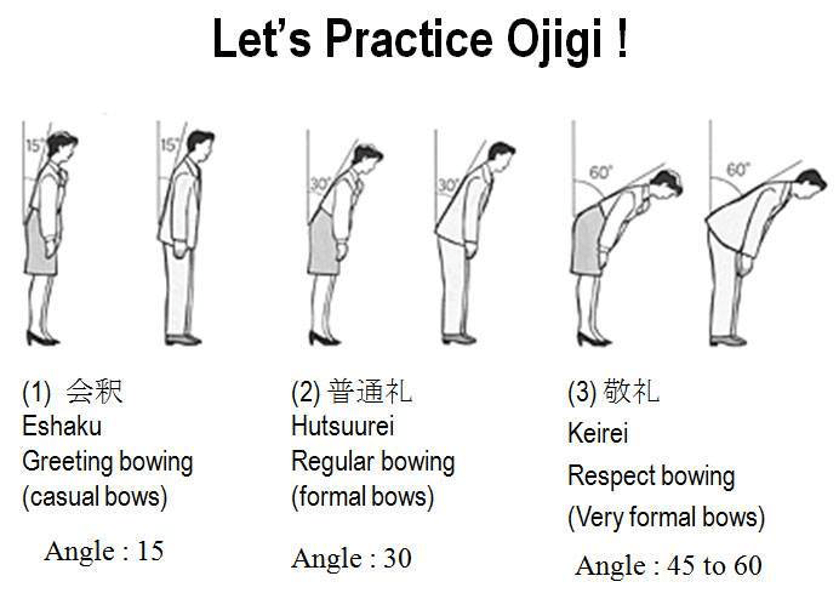
- Greetings: Bowing is the customary way to greet others in Japan, whether meeting someone for the first time or encountering acquaintances. A slight nod of the head or a shallow bow (eshaku) is appropriate for informal encounters, while deeper bows (keirei) are reserved for more formal situations.
- Expressing Gratitude: Bowing is also used to express gratitude or appreciation. Whether receiving a gift, a favor, or assistance, a respectful bow serves as a sincere thank you and acknowledges the kindness of the giver.
- Apologizing: In Japanese culture, a deep bow (saikeirei) is a common gesture of apology. When acknowledging mistakes or shortcomings, a sincere and profound bow demonstrates humility and remorse.
- Business Etiquette: In business settings, bowing plays a crucial role in establishing respect and rapport. When meeting colleagues, clients, or business partners, a polite and respectful bow demonstrates professionalism and fosters positive relationships.
Types of Bows: Japanese bowing etiquette encompasses various types of bows, each with its own level of formality and significance:
- Eshaku (30-degree bow): A casual and informal bow suitable for everyday interactions, such as greeting friends or acquaintances.
- Keirei (45-degree bow): A respectful bow used in formal settings, including business meetings, ceremonies, or official events.
- Saikeirei (90-degree bow): A deep and formal bow reserved for highly solemn occasions, such as weddings, funerals, or expressions of profound gratitude.
History of Bowing: The practice of bowing has ancient origins in Japan, dating back thousands of years. In traditional Japanese society, bowing was a sign of submission, loyalty, and respect to authority figures, including emperors, shoguns, and feudal lords. Over time, bowing evolved into a ubiquitous social custom, ingrained in everyday interactions and rituals.
During the Edo period (1603-1868), bowing became codified as an essential aspect of etiquette and social hierarchy. Different levels of bows were prescribed based on one’s social status, with samurai and nobility expected to perform deeper bows than commoners. Despite Japan’s modernization and Westernization in the Meiji era (1868-1912), bowing retained its significance as a symbol of respect and deference.
Today, bowing continues to be an integral part of Japanese culture, symbolizing humility, sincerity, and mutual respect. While the depth and duration of bows may vary depending on the context and relationship between individuals, the underlying sentiment remains constant: acknowledging the inherent dignity and worth of others.
Tips for Bowing:
- Observe and follow the lead of Japanese people in various social situations.
- Keep your back straight and your hands at your sides while bowing.
- Match the depth and duration of your bow to the situation and the person you are bowing to.
- Maintain eye contact and offer a warm smile along with your bow to convey sincerity and friendliness.
Conclusion: Mastering Japanese bowing etiquette is not only a mark of cultural appreciation but also a powerful tool for building relationships and fostering harmony in social interactions. By understanding the history, significance, and nuances of bowing, visitors to Japan can navigate diverse social settings with confidence and respect, leaving a positive impression on their hosts and fellow travelers alike.



 Travel Raven